Business License

Allulose: The Zero-Calorie Sweetener That Tastes Like Sugar (Without the Guilt)
What Is Allulose?
Allulose is a rare sugar found naturally in small quantities in figs, raisins, wheat, and maple syrup. Chemically, it’s almost identical to table sugar (sucrose), but your body processes it very differently. Instead of being metabolized for energy, most allulose passes through your system unabsorbed – meaning almost zero caloriesandno blood sugar spike.
Why Allulose Stands Out
1. Real Sugar Taste, Zero Aftertaste
Unlike stevia or monk fruit, allulose delivers the exact sweetness and mouthfeel of sugar. It caramelizes, browns, and provides that satisfying crystalline crunch. No bitter or licorice-like aftertaste – just clean, sweet flavor.
2. Blood Sugar & Insulin Friendly
With a glycemic index of nearly zero, allulose does not raise blood glucose or insulin levels. Studies show it may even help suppress glucose release from other carbohydrates. This makes it a game-changer for people with diabetes, prediabetes, or anyone following a low-carb or ketogenic lifestyle.
3. Supports Weight Management
At only 0.4 calories per gram (compared to 4 calories in sugar), allulose lets you enjoy sweet treats without breaking your daily calorie budget. By reducing overall calorie density, it can help create a sustainable calorie deficit for weight loss.
4. Bakes and Freezes Like a Pro
Most alternative sweeteners fail in recipes that require bulk, browning, or freezing. Allulose excels:
· It caramelizes to make crunchy toppings and chewy COOKIEs.
· It keeps ice cream soft and scoopable (no rock-hard frozen blocks).
· It holds moisture, giving cakes and muffins a tender crumb.
How to Use Allulose
Replace sugar 1:1 in most recipes – but note that allulose is about 70% as sweet as sugar. For a direct sweetness swap, use 1.3 times the amount of allulose. For low-carb baking, start with a 1:1 substitution and adjust to taste.
Pro tips:
· Reduce oven temperature by about 25°F (15°C) because allulose browns faster.
· Store in an airtight container – it resists clumping.
· Start with small amounts (some people may experience mild digestive gas if they overdo it; tolerance improves over time).
A Quick Word on Safety
The FDA has confirmed allulose as “Generally Recognized as Safe” (GRAS). It does not cause tooth decay, and unlike sugar alcohols, it rarely causes laxative effects when eaten in normal amounts.
Ready to Make the Switch?
Replace the sugar in your morning coffee, homemade BBQ sauce, or favorite muffin recipe with allulose. You’ll get the sweetness you love without the metabolic rollercoaster.
Your turn:Have you tried allulose? Share your baking wins (or questions) in the comments below!
Disclaimer: This blog is for informational purposes only. Consult your healthcare provider before making significant dietary changes, especially if you have a medical condition.
Recently Posted
-
Allulose in Cookies: Powder vs. Syrup – Which One Bakes Better?
June 4, 2026Introduction Allulose has become a favorite low-calorie sweetener for baking, thanks to its sugar-like taste, browning Read More
 -
Allulose in Ice Cream: Powder vs. Syrup – Which Form Works Best?
June 4, 2026Introduction Allulose has quickly become a favorite sweetener for low‑sugar and keto ice cream makers. It tastes nearly Read More
 -
Allulose Syrup: The Liquid Sweetener Revolutionizing Health-Conscious Formulations
January 14, 2026IntroductionIn the evolving landscape of sugar alternatives, allulose syrup emerges as a game-changing liquid sweetener that combi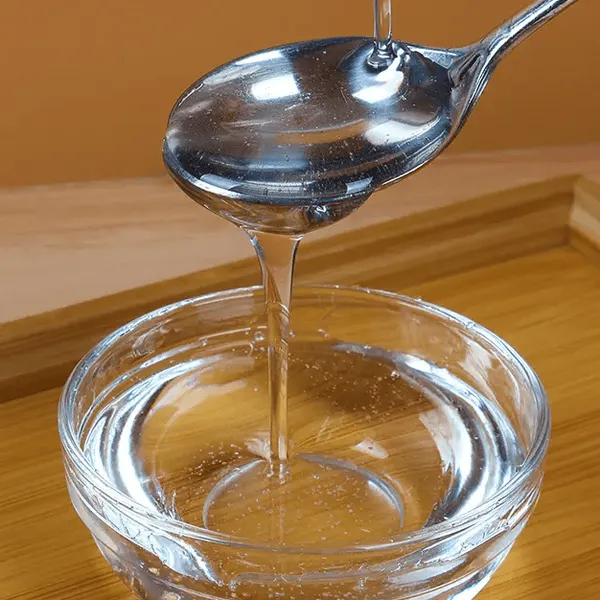 Read More
 -
New Generation Sugar: Allulose - The Sweetness Revolution
December 30, 2025Move over, artificial sweeteners and sugar alcohols—there’s a new player in the world of better-for-you sweetness, and it’s changi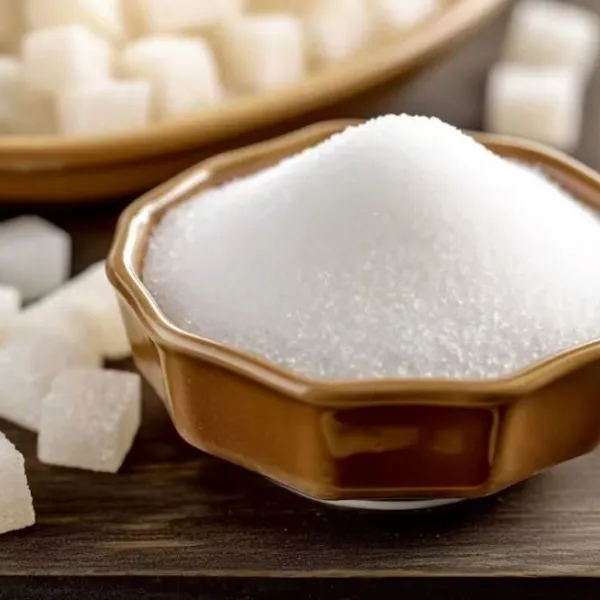 Read More